Starting a craft business is one of the most practical ways to turn creativity into income. Many people start with simple tools, a small workspace, and a few product ideas, gradually growing from humble beginnings into a scalable business. With the right approach, you can build a successful craft business from home without a large upfront investment.
At the same time, many beginners feel stuck before they even start. Questions regarding what crafts to sell, pricing, marketing strategies, and legal requirements can be overwhelming. Without a clear plan, it is easy to waste time and money on the wrong supplies, tools, or strategies.
Fortunately, you're in the right place for developing a clear approach for your business. This guide breaks down how to start a craft business in a simple, actionable way. You will learn the steps to grow your business and set it up for long-term success.
Whether you are starting a craft business as a side hustle or building toward a full-time income, these steps will help you move forward with confidence.
 Crafts to Make and Sell That Are in High Demand
Choosing the right product is one of the most important steps when starting a craft business. The best crafts to make and sell combine creativity with consistent demand, making it easier to attract customers and grow over time.
When evaluating ideas, focus on products that are easy to customize and reproduce consistently. Your products should also target a particular type of buyer. These qualities can help you stand out in a competitive market and build a repeat customer base.
Popular Crafts to Make and Sell
Some of the most successful craft businesses focus on products that customers can personalize or use every day. These types of products attract consistent demand and offer strong potential for repeat sales.
A few high-demand crafts include:
-
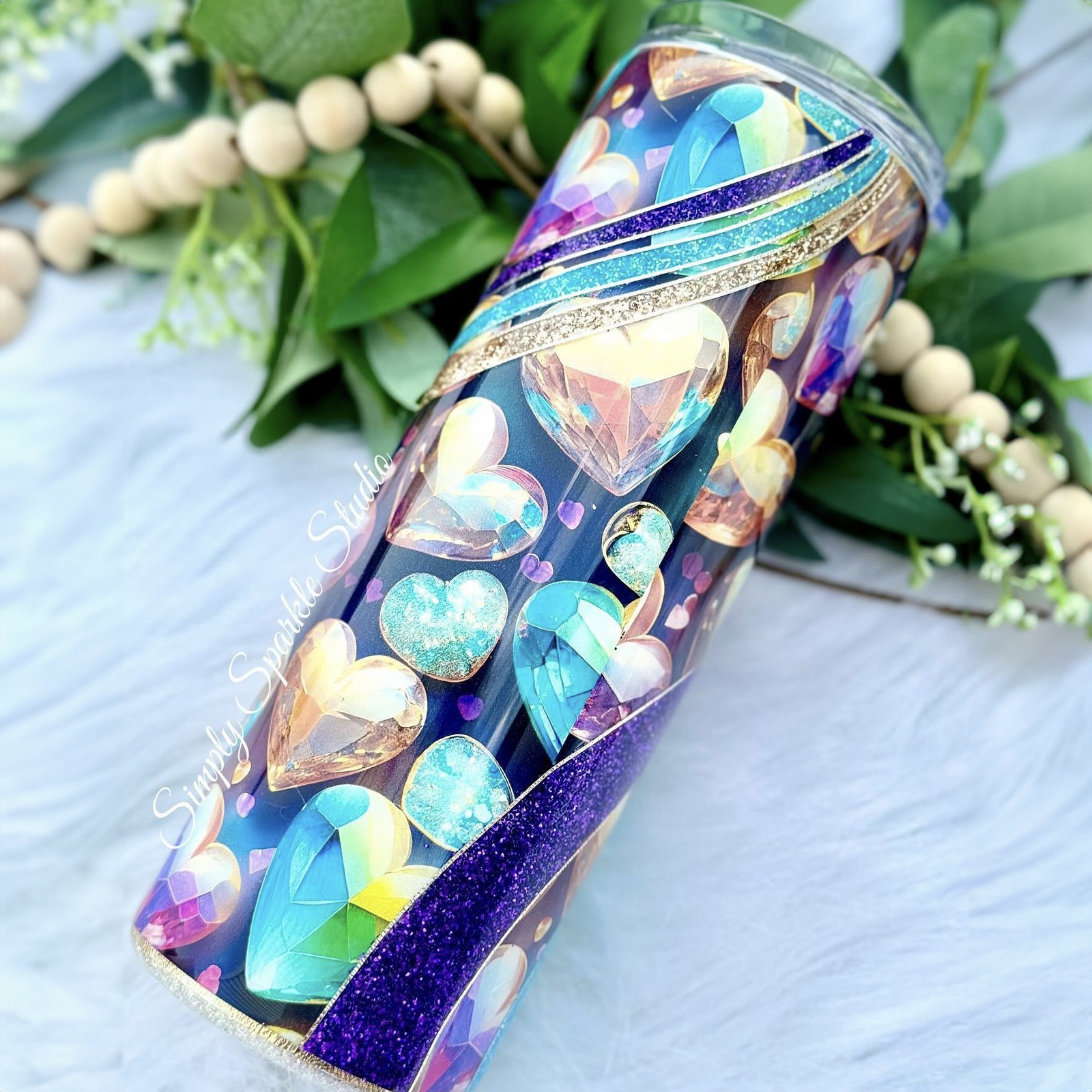
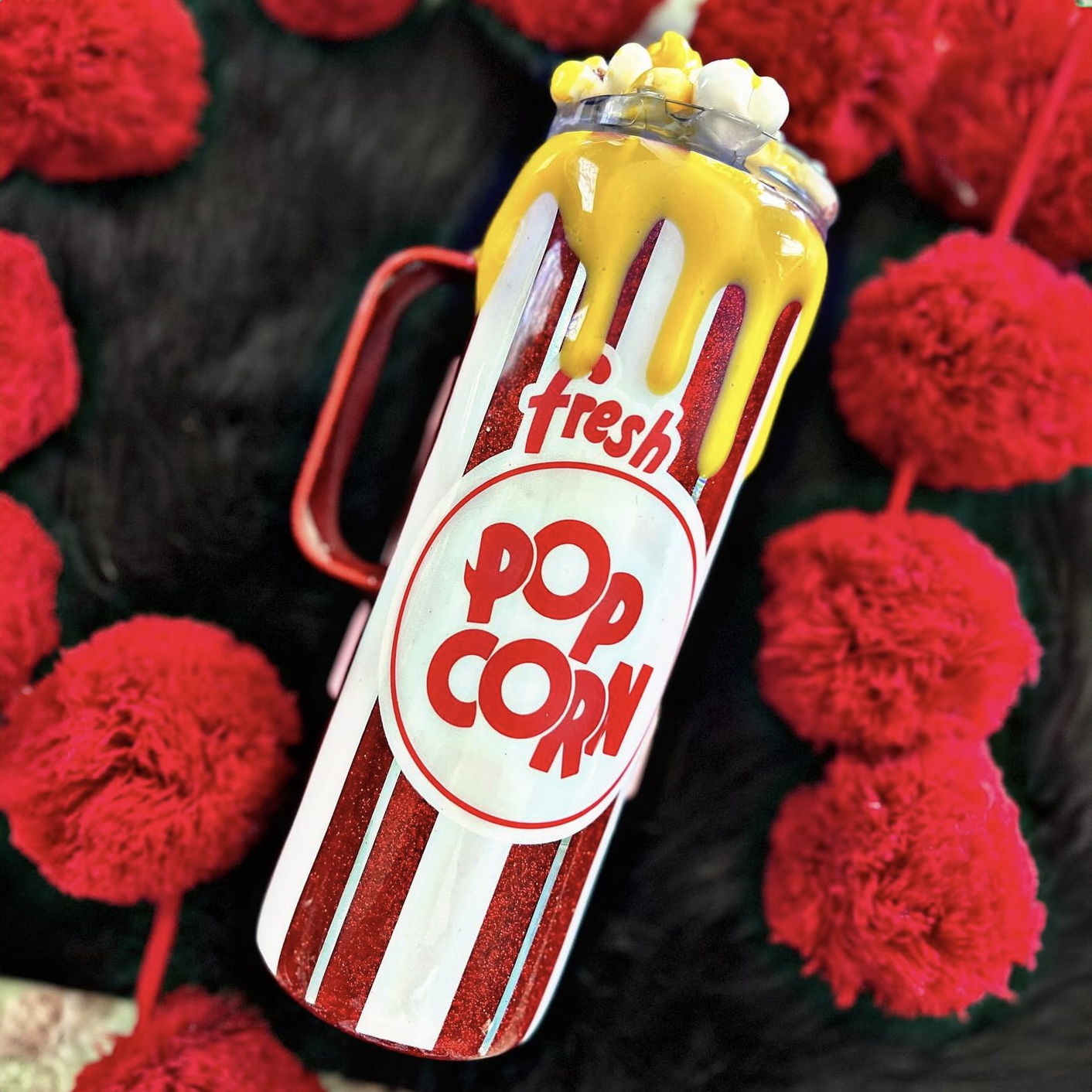
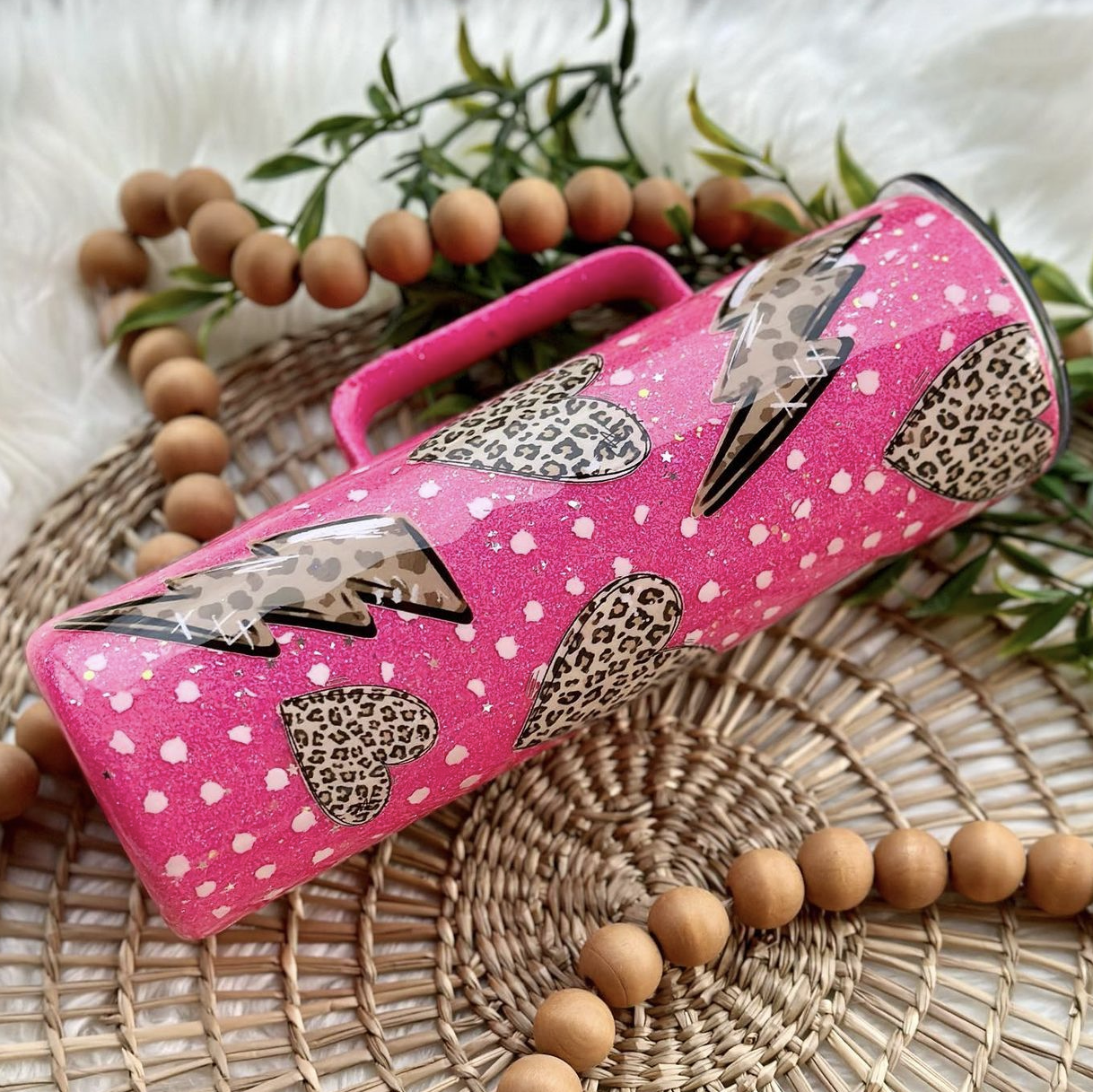
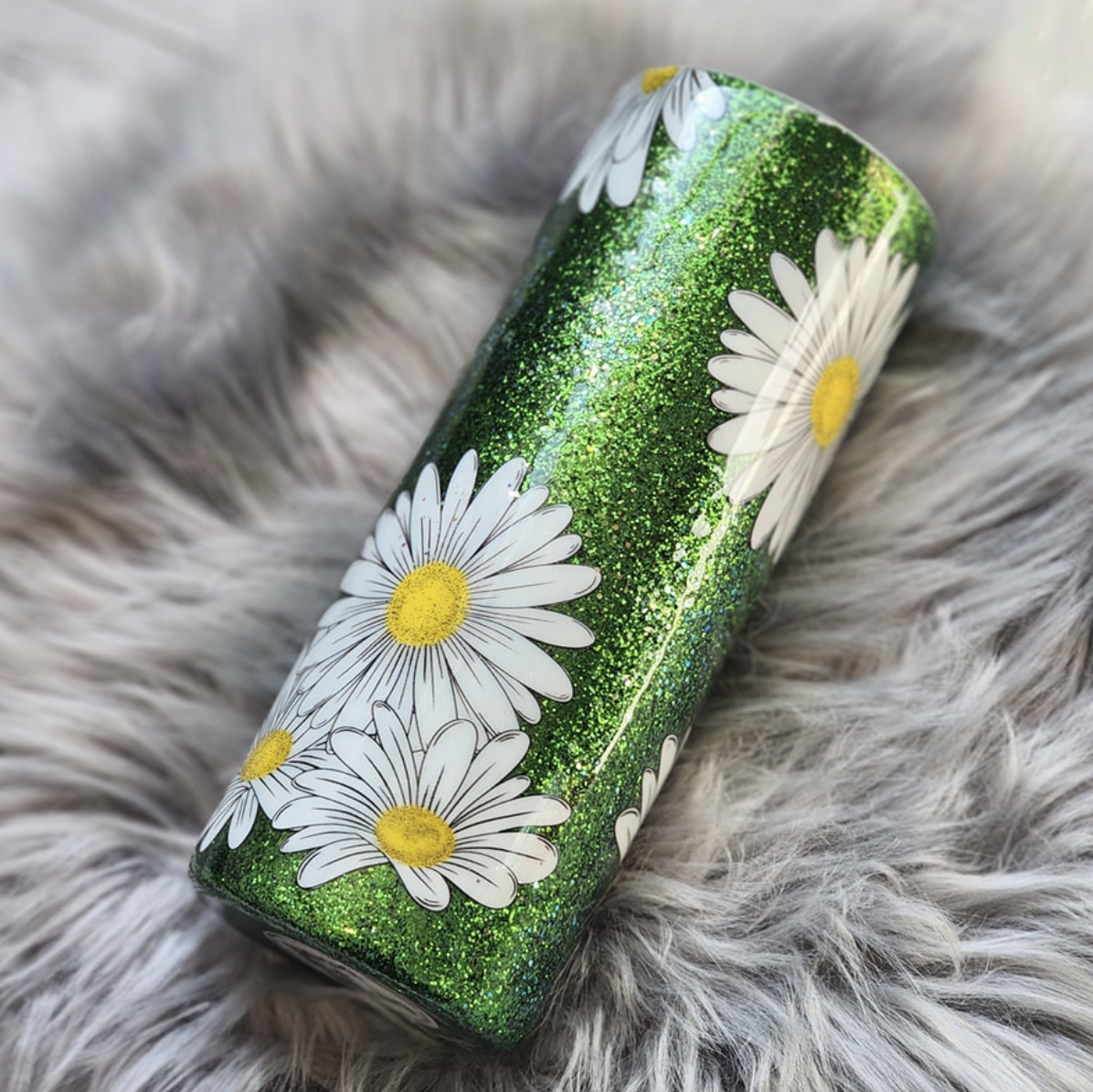
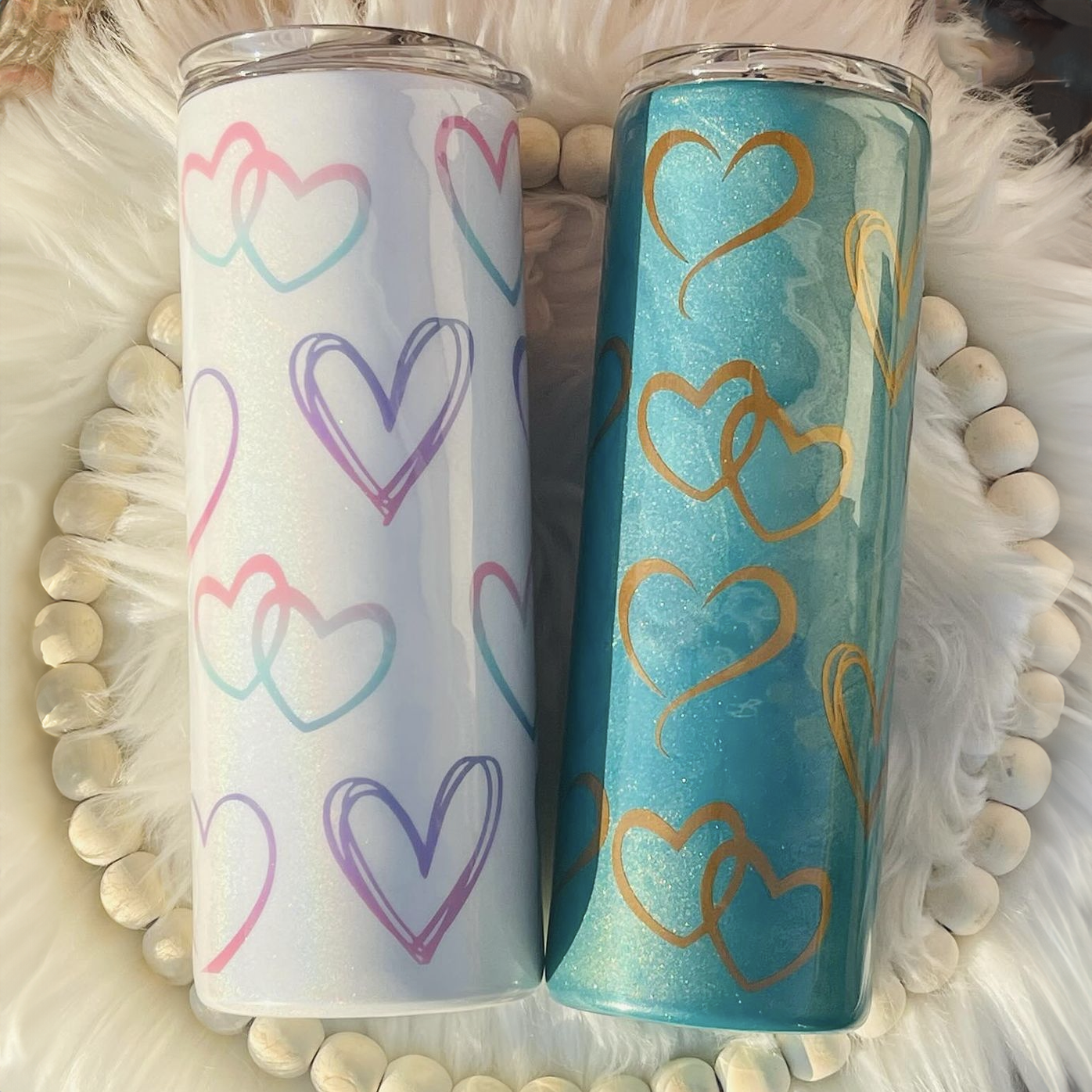
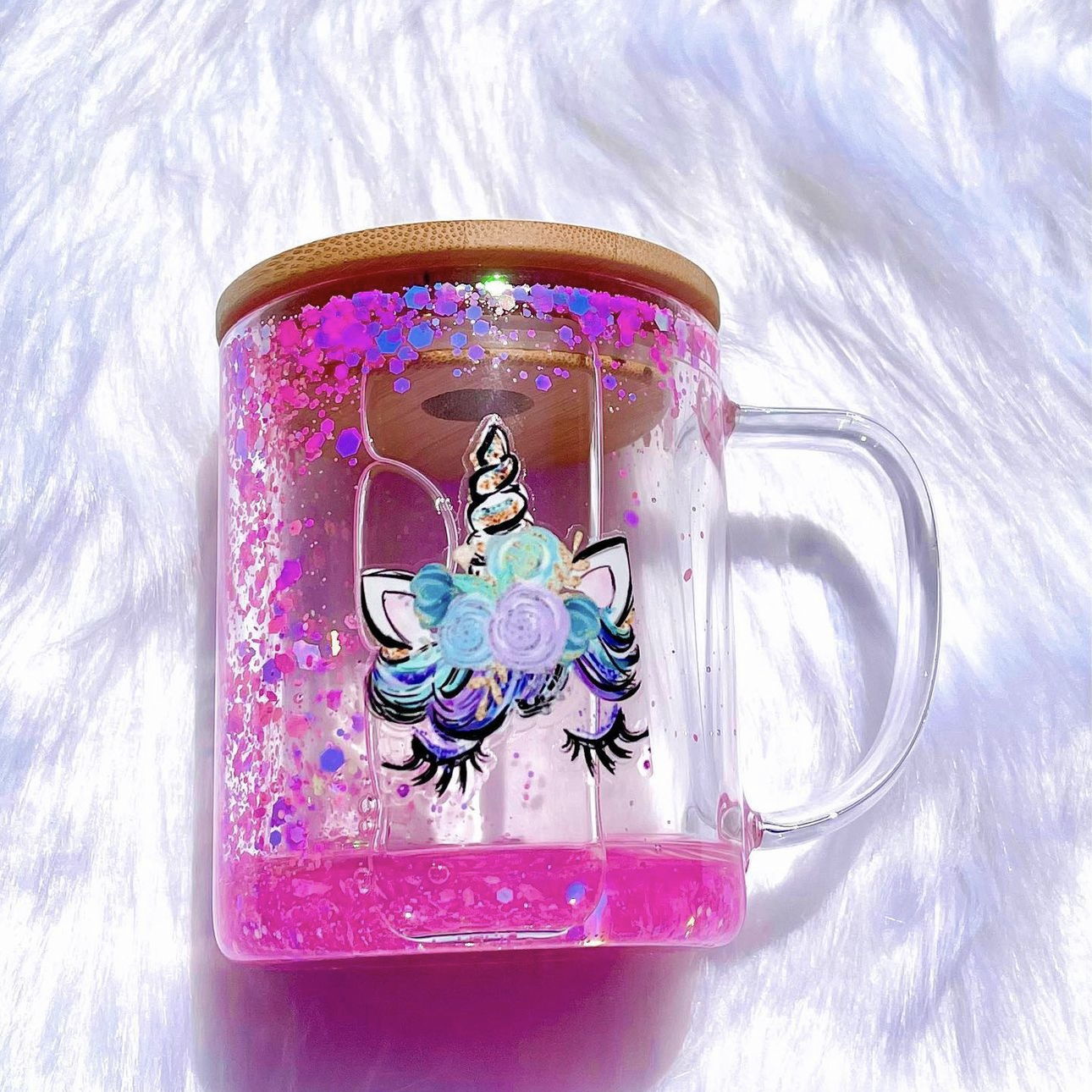
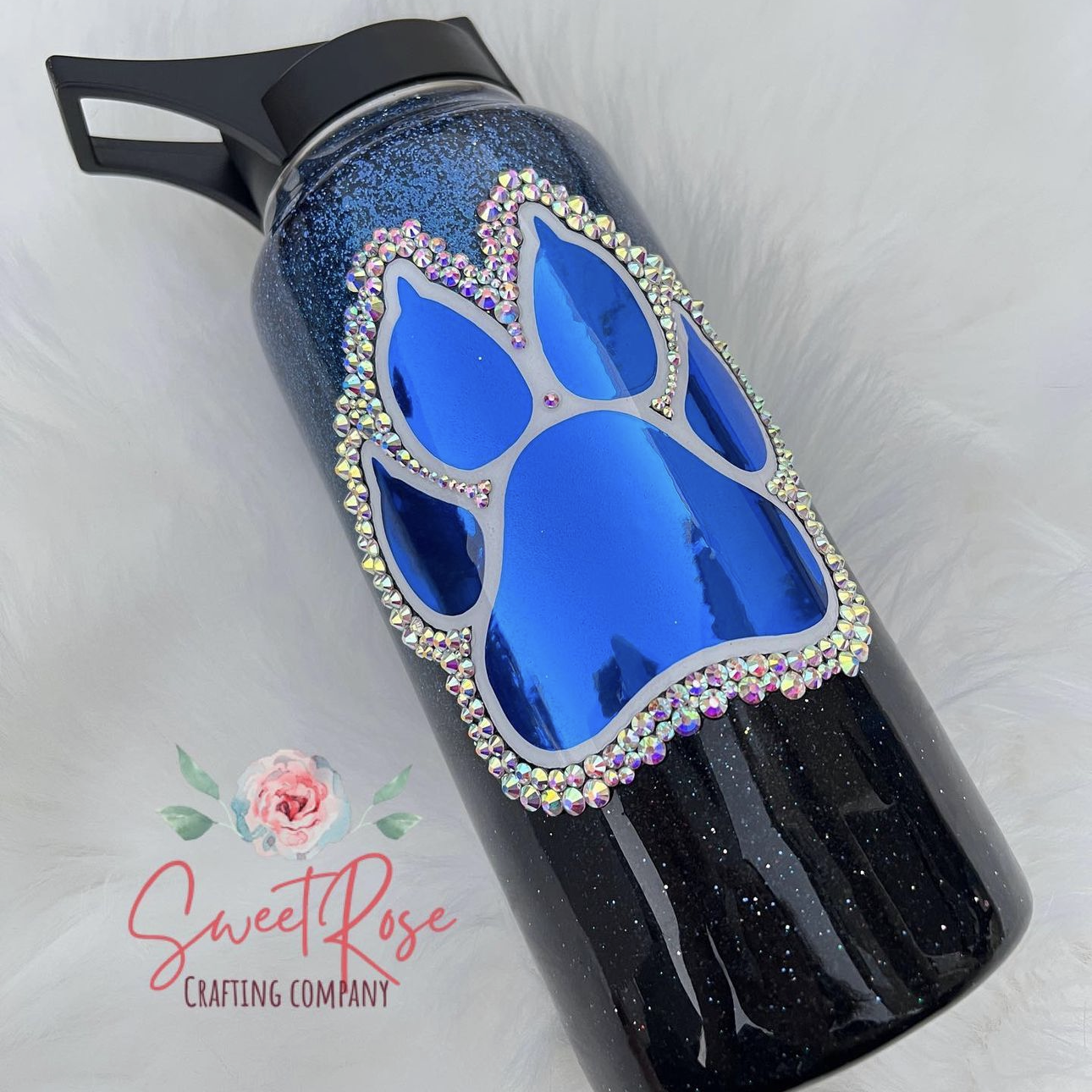
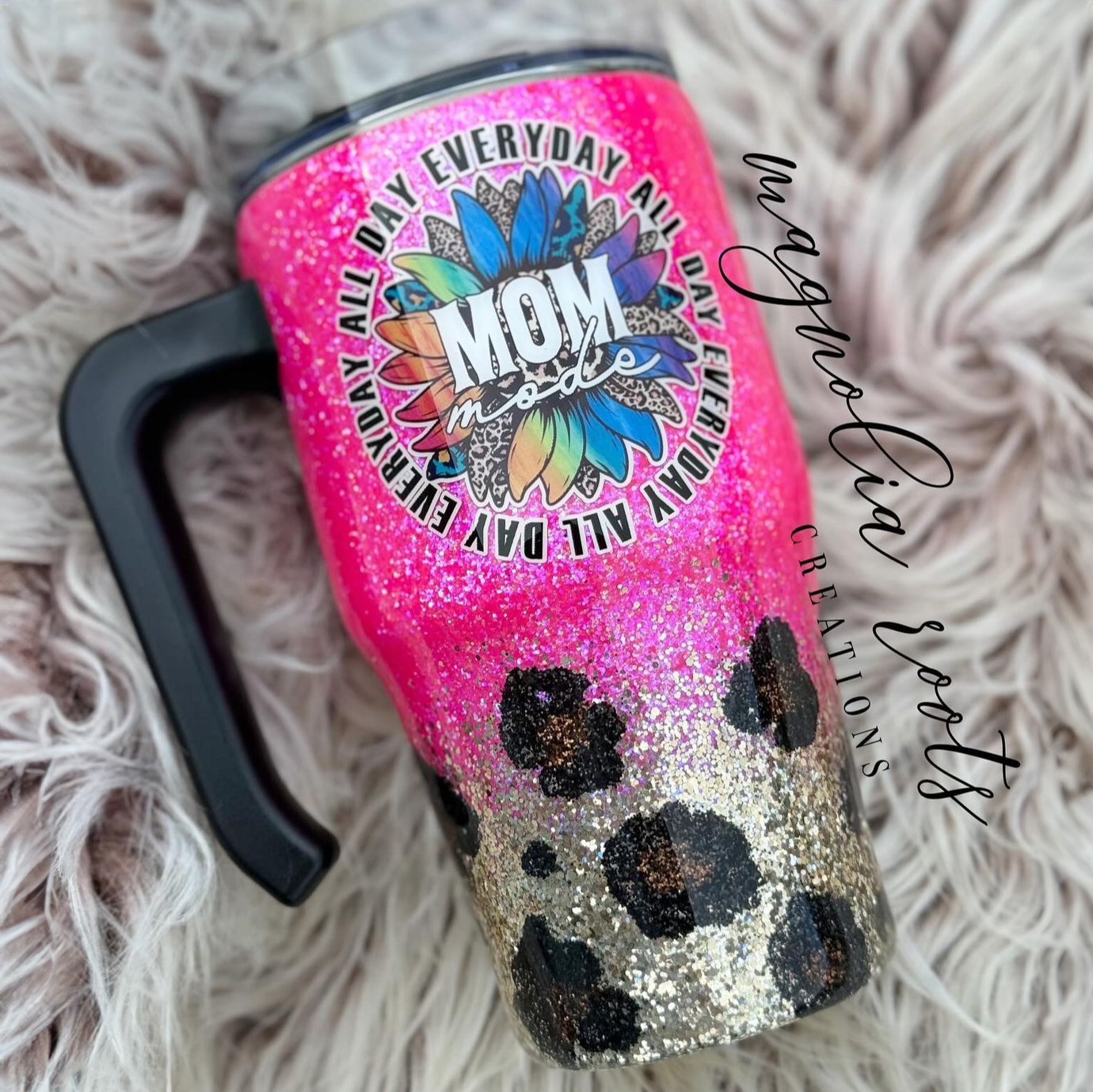
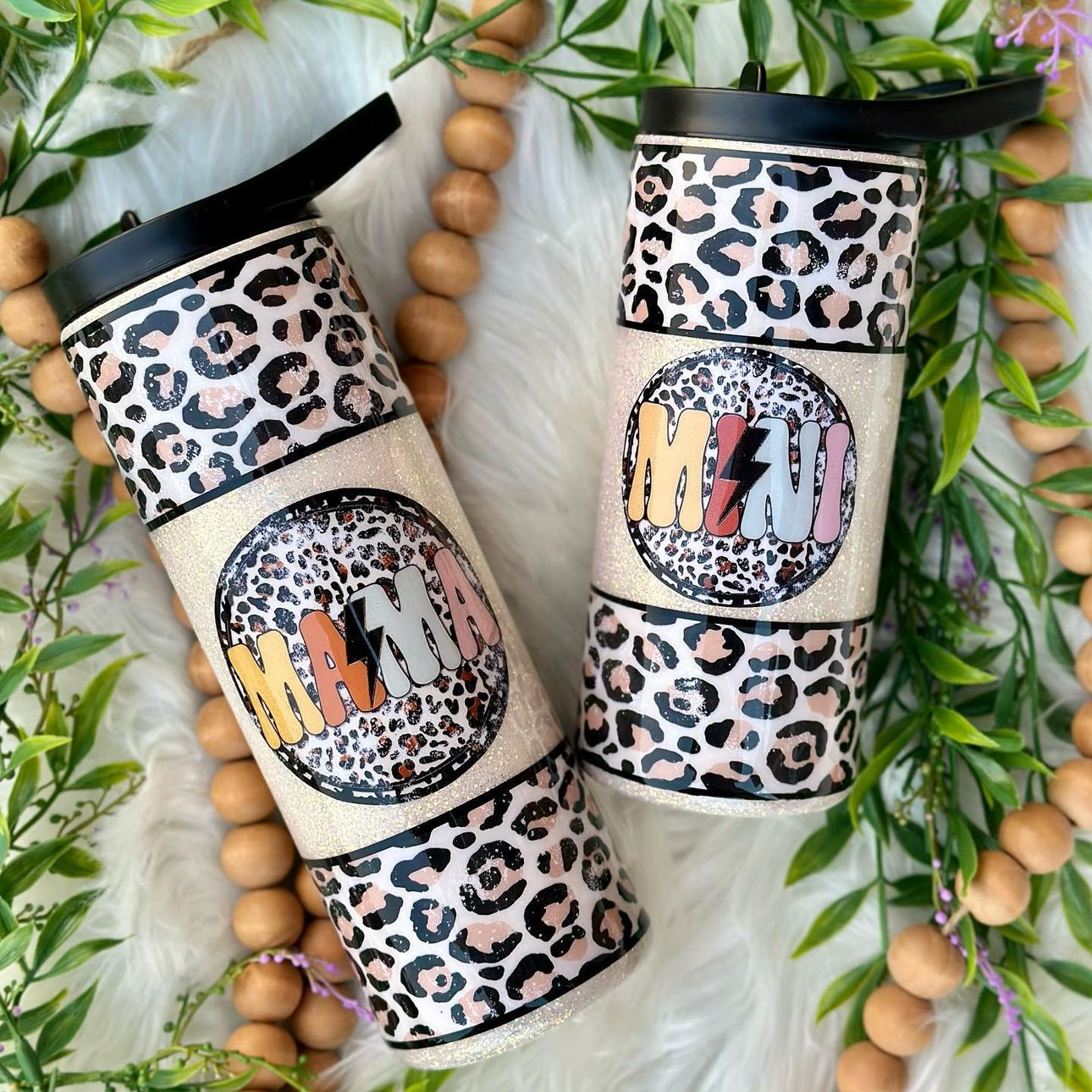
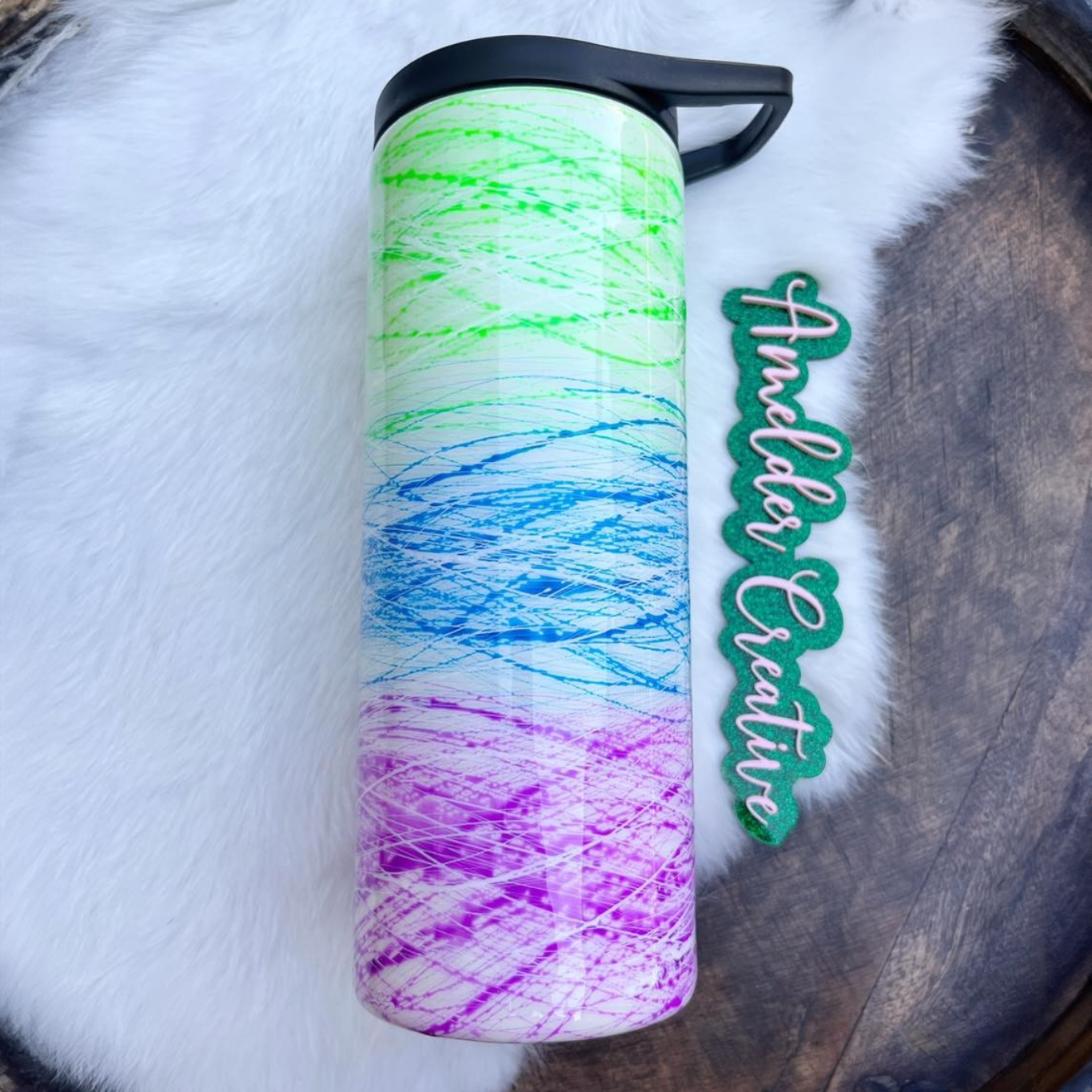
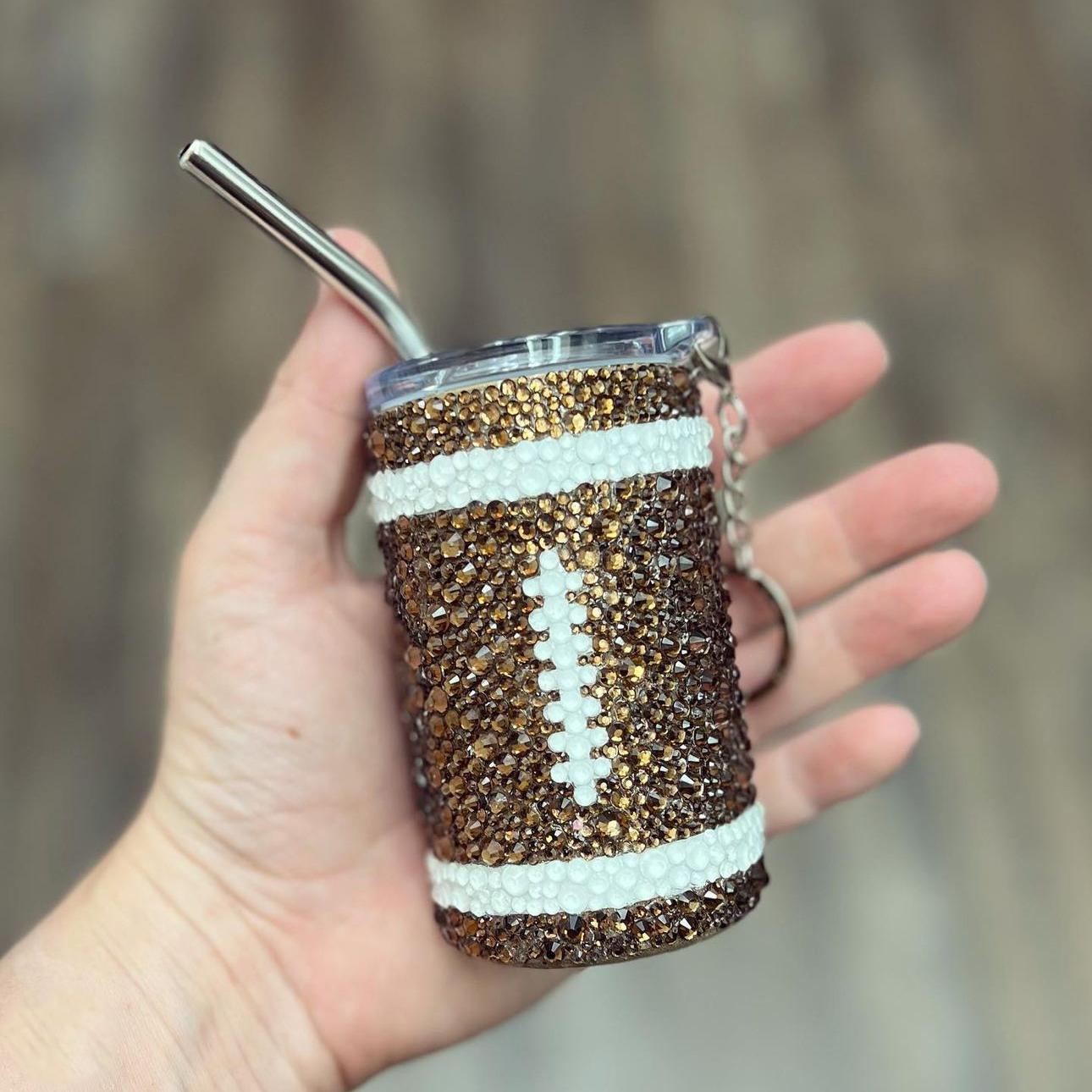
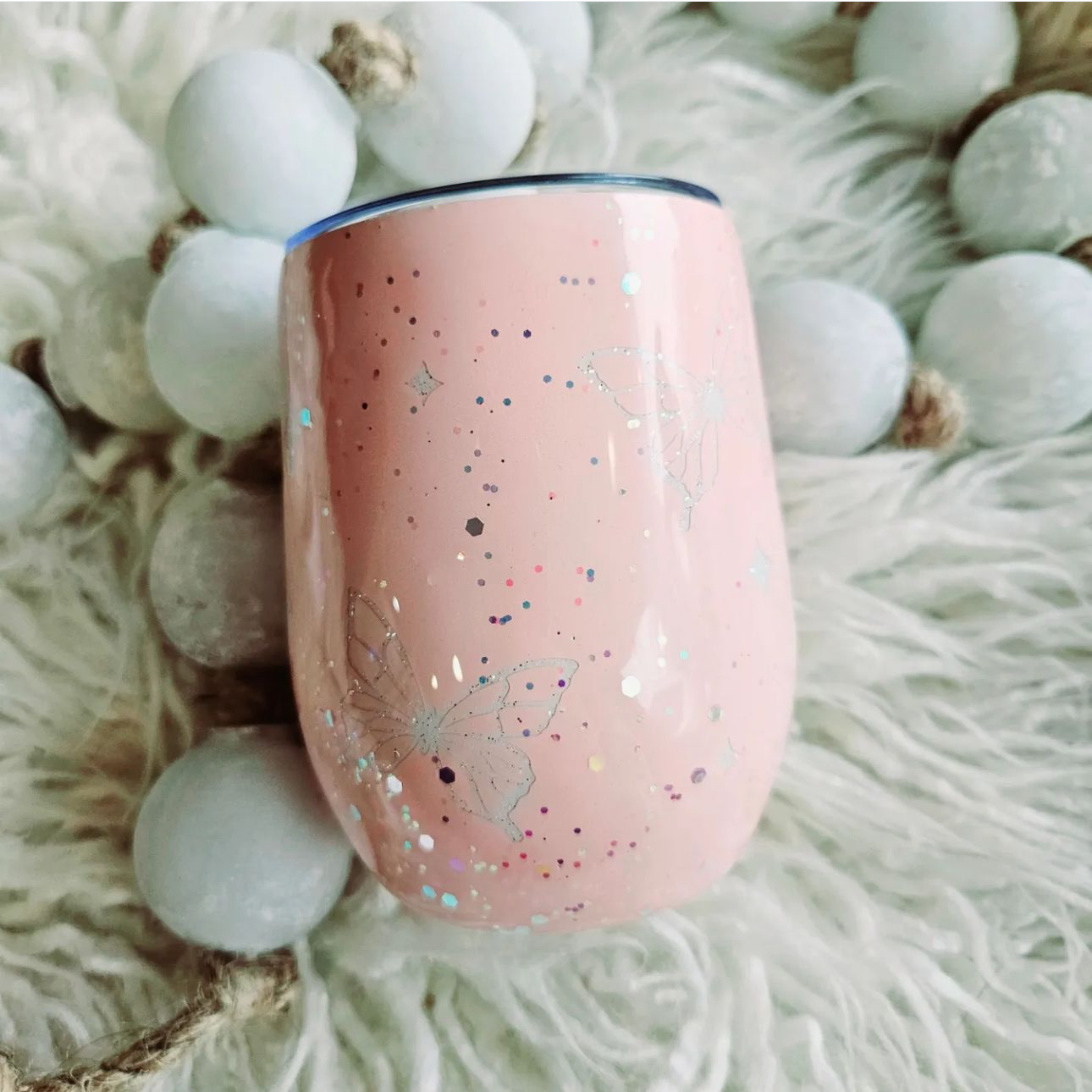
Custom Drinkware: Tumblers, mugs, and glass cups that can be personalized for gifts, businesses, or everyday use
-
Personalized Gifts: Name-based items, engraved products, and custom designs that add personal value
-
Handmade Jewelry: Minimalist and custom pieces that appeal to a wide audience and offer strong margins
-
Apparel and Accessories: T-shirts, hoodies, and tote bags designed for specific groups or trends
-
Home Decor: Wall art, signs, and seasonal decorations that help customers personalize their spaces
-
Candles and Bath Products: Consumable items that encourage repeat purchases and brand loyalty
-
Stickers and Decals: Low-cost products that are easy to produce and popular for customization
-
Functional Home Goods: Items like cutting boards or kitchen accessories that combine practicality with design
By focusing on crafts that offer both personalization and everyday use, you can create products that attract consistent demand and repeat customers. Starting with proven categories makes it easier to generate sales while you refine your designs, pricing, and overall business strategy.
Why Custom Drinkware Is a Strong Choice for Beginners
Custom tumblers and other drinkware are a popular entry point for beginners who want to start a business from home. Blank tumblers are affordable while being a perfect canvas for your creativity. Plus, even more importantly, custom tumblers are in high demand, making this craft highly profitable.
A few effective ways you can start customizing drinkware today include:
-
Sublimation: Uses heat and pressure to embed designs directly into sublimation tumblers, producing vibrant and long-lasting results
-
Epoxy: Epoxy resin creates a smooth, glossy finish that seals and enhances designs while adding durability
-
UV DTF: Applies pre-printed designs with a simple peel-and-stick method, making it beginner-friendly and efficient
-
Laser Engraving: Etches designs into engraving tumblers for a clean, permanent look that works well for logos and text
-
Vinyl Decals: Uses adhesive vinyl to apply custom designs, offering a low-cost and flexible starting option
Starting with custom tumblers and similar high-demand crafts helps you secure a reliable starting point for your business. These products are practical, customizable, and widely used, making them hot sellers that can empower you to grow your business.
 How to Start a Craft Business (Business Startup Checklist)
Starting a craft business often does not require a complicated setup. Most beginners succeed by focusing on a few key steps and improving as they gain experience. A clear, actionable process can help you avoid common mistakes and establish a strong foundation from the start.
Step 1: Choose Your Craft and Product Focus
The first step in starting a craft business is deciding what you will make and sell. As we've discussed, it's critical to focus on crafts with steady demand. Items like custom drinkware, handmade jewelry, and apparel are often easier to start with because customers are actively looking for them.
It's also helpful to concentrate on a few core products when you are just starting. This makes it easier to maintain quality and streamline your crafts to serve more customers.
Step 2: Define Your Niche and Target Audience
Once you have a product, the next step is identifying who you are selling to. Having a clear niche in mind can help your craft business stand out, and you can make your products and designs more relevant to your target buyers.
Instead of targeting a general audience, focus on a specific group. For example, you could develop products specifically tailored to parents, teachers, students, busy professionals, fitness enthusiasts, or another well-defined group.
After you define your target audience, research them to better understand their needs and buying habits, especially where they typically purchase products.
When you understand your audience, you can create products that align with their preferences while selling in places where they are most likely to buy. This also makes marketing more effective, empowering you to build a recognizable brand.
Step 3: Set Up Your Workspace and Tools
You can start a craft business from home with a simple and organized workspace. For most crafts, there is no reason to start with a large setup. Instead, just make sure you have a clean, ventilated area with the right tools.
Start by choosing tools that match your product type and skill level. Begin with basic equipment and upgrade to more advanced tools as your skills and production needs grow. Starting with essential tools helps control costs and allows you to focus on improving your technique.
Step 4: Source Your Materials and Supplies
The quality of your materials and supplies directly impacts your final products. Customers expect clean finishes, durable designs, and consistent results. Using reliable supplies helps you meet those expectations and present your work as professional.
Consistency is also critical as your craft business grows. Using the same materials and supplier for each product helps ensure that your results remain consistent across all orders. This builds trust with customers and supports a more reliable production process.
Additionally, as your craft business expands, sourcing materials in bulk can help reduce costs and improve efficiency. Buying in larger quantities allows you to maintain quality while increasing your profit margins over time.
Step 5: Choose a Business Name
Your craft business name should be easy to remember and relevant to your products. Many craft business owners choose names that reflect their niche or style.
Before finalizing your name, check that it is not already in use. This helps avoid confusion and potential legal issues later. You can verify that the name is not in use by searching online marketplaces, social media platforms, and your state's business registry database.
Step 6: Register Your Business if Needed
Not every craft business needs formal registration right away, but some locations do require it. You may need to register your business name or apply for a local license, depending on your area.
Additionally, if you plan to eventually separate your personal and business finances, consider forming a legal structure such as an LLC. Many beginners start as sole proprietors and transition to an LLC as their craft business grows.
Step 7: Check Licensing and Permit Requirements
Business license requirements vary based on your location and how you plan to sell your products. Some areas require a general business license, while others may only require registration once you reach a certain level of sales. It is important to review your local city and state guidelines to understand what applies to your situation.
If you plan to sell at farmers' markets, craft fairs, or other in-person events, you may need to obtain additional permits. Many events ask vendors to provide a temporary seller’s permit or vendor license before participating. These requirements can differ depending on the event and location, so it is best to check in advance.
Taking time to confirm these requirements helps you avoid delays or disruptions when you are ready to sell. It also ensures your craft business operates in accordance with local regulations, preventing potential fines or issues later.
Step 8: Price Your Products for Profit
Getting your pricing right is a crucial part of running a successful business. Many beginners undervalue their work, making it challenging to maintain healthy profit margins and grow.
To price your products correctly, account for your material costs, time, and any additional expenses, such as packaging. Setting a price that reflects the quality of your work helps position your products as professional and worth purchasing. Over time, proper pricing will enable long-term growth and increase your overall profits.
Step 9: Set Up Payment Methods
Setting up easy payment methods is an essential step when starting a craft business. Customers expect a simple and convenient checkout process, whether they are shopping online or in person. Making it easy to pay increases convenience and encourages more completed purchases.
Most craft businesses accept a mix of payment options, including cash, card, and digital payments. Offering multiple options allows you to accommodate different customer preferences and avoid missed sales. This is especially important at events or markets, where some customers may not carry cash.
Online sellers often use platforms that handle payments automatically, while in-person sellers may rely on mobile payment systems. Providing flexible payment options improves the overall customer experience and creates more opportunities to generate sales.
Step 10: Create a Simple Order and Fulfillment Process
Having a clear system for managing orders will save time and prevent confusion as your craft business grows. This includes tracking incoming orders, organizing your production schedule, and preparing items for delivery or pickup. A simple process helps you stay organized and ensures that no orders are missed or delayed.
Even a basic system can make your craft business more efficient and help you deliver a better customer experience. Clear communication, accurate order tracking, and reliable fulfillment all contribute to positive reviews and repeat business.
Step 11: Market Your Products
Marketing is essential for any business. Even high-quality products need visibility to generate sales. Without consistent promotion, it can be difficult for customers to discover your products, especially in competitive categories.
Start by choosing platforms where your target customers spend their time. Many craft businesses use marketplaces like Etsy and Amazon, as well as social media platforms like TikTok and Instagram. Sharing product photos, short videos, and behind-the-scenes content can attract attention and build interest in your brand.
Consistency is key when marketing your products. Posting regularly, engaging with customers, and showcasing your work help build trust over time. As your craft business grows, strong marketing habits will support steady traffic, more sales, and long-term success.
Following these steps gives you a clear path to start and manage your craft business more effectively. With the right approach, you can turn simple craft ideas into products that consistently attract customers, leading to reliable growth and profits.
 Where to Sell Your Crafts
Choosing the right place to sell is an important part of starting your craft business. There are various platforms for selling your products, both online and offline. Each offers distinct benefits, so it is important to choose options that match your products and target customers.
Online platforms are one of the easiest ways to begin, especially if you are starting a craft business from home. They allow you to reach a wider audience and manage orders more efficiently.
Some of the most popular online platforms for selling crafts include:
-
Amazon: The most popular e-commerce site with a massive customer base. It offers strong exposure, but there's more competition. Plus, the platform's high fees can reduce your profit margins.
-
Etsy: It offers a more beginner-friendly marketplace than Amazon and is perfect for selling handmade products. It already attracts a large number of shoppers searching for crafts, making it easier for new sellers to get discovered.
-
Shopify: A customizable e-commerce platform that empowers you to create your own branded website. It offers more control and helps you avoid exorbitant fees, but it's harder to manage and drive traffic to your site.
-
TikTok Shop: Sell your crafts directly to buyers through your content. This makes it easy to turn views into purchases. Many crafting entrepreneurs gain traction by showcasing products and demonstrating customization techniques.
-
Instagram: A must-have for every business, as it helps you gain more exposure for your brand. You can showcase your products, connect with customers, and drive traffic to your shop. Plus, you can advertise and sell your crafts directly through Meta, Instagram's parent company.
While selling online is a great way to reach a wide customer base, you should also consider selling in person. Interacting directly with customers can help you build trust and encourage repeat sales. It also allows people to see the quality of your work up close.
A few great ways to make in-person sales include:
-
Craft Fairs: Organized events where vendors sell handmade goods. These are ideal for reaching customers who are actively looking for crafts.
-
Farmers' Markets: Community-based and offer consistent opportunities to sell and build a local following.
-
Pop-Up Events: Temporary selling spaces in busy areas. These events help increase brand visibility and attract new customers.
These in-person and online platforms are all viable options, but no single platform is best for every craft business. You'll need to understand where your target customers shop to choose the right one for your business.
Additionally, many sellers start with one channel and expand over time. Choosing the right mix of platforms can help you eventually reach more customers and grow your business effectively.
Common Mistakes When Starting a Craft Business
While starting a craft business is a fulfilling way to make money, some beginners make avoidable mistakes that slow growth and reduce profits. Being aware of these issues early can help you avoid common pitfalls and build a more sustainable craft business.
Some of the most common mistakes to watch out for include:
-
Selling Products That Lack Demand: Choosing products without proven demand can make it harder to generate sales. Focusing on crafts customers already want will help you secure more consistent income.
-
Pricing Too Low: Many new sellers undervalue their products to compete with other businesses. This makes it difficult to maintain healthy profit margins and grow. Your pricing should reflect materials, time, and the quality of your work.
-
Ignoring Branding: A generic name or inconsistent presentation can make your craft business easy to overlook. Clear branding helps customers recognize your products and builds trust over time.
-
Using Low-Quality Supplies: It may be tempting to choose cheaper materials to save money, but this often leads to issues like poor durability and inconsistent results. Customers notice the difference, and lower quality can lead to dissatisfaction and fewer repeat purchases.
-
Not Marketing Consistently: Even high-quality products need visibility. Without consistent promotion on platforms like Etsy, TikTok, and Instagram, it is difficult to attract customers and grow your craft business.
Avoiding these common mistakes can make it easier to build momentum. When you focus on high-demand products, maintain quality, and stay consistent, your craft business is much more likely to succeed.
 The Benefits of Starting a Custom Tumbler Business
While there are many in-demand crafts you can sell for high profit, customizing tumblers is a strong, dependable way to generate consistent income.
Custom drinkware stands out for being both stylish and highly functional. Unlike decorative items, people use tumblers and other drinkware every day, increasing their value to customers. Many tumbler enthusiasts also buy multiple cups and give them regularly as gifts, providing you with plenty of resale opportunities.
Another key advantage is the flexibility it offers. You can create products for a wide range of customers, including individuals, businesses, and event organizers. You can start by identifying your target customer, such as teachers or fitness enthusiasts, and develop a line of tumblers that reflects their daily routines and interests.
Customizing drinkware is also ideal because it offers strong profit potential. Blank tumblers are relatively affordable, especially when purchased in bulk, while you can sell the finished custom tumblers at a much higher price point. This balance between material costs and resale potential makes it easier to maintain healthy profit margins.
Ultimately, a custom tumbler business offers a practical way to turn creativity into consistent sales. With products that customers use regularly, strong demand across different markets, and the ability to personalize designs, it is easier to attract buyers and encourage repeat purchases.
Where to Buy High-Quality Supplies for Tumbler Crafting
If you're interested in starting or expanding a tumbler business, sourcing high-quality supplies is essential. The quality of your tumbler blanks, coatings, and tools directly impacts the final result. Durable blanks and reliable equipment can help you create drinkware with clean finishes and long-lasting designs.
At The Stainless Depot Company, you can find a wide selection of supplies designed for both beginners and experienced crafters. From customizable tumblers and ceramic mugs to heat presses, epoxy resin, and other essential tools, our products are built to support consistent, professional results.
Additionally, you can learn how to customize drinkware with our guides on sublimating tumblers, applying epoxy, attaching UV DTF decals, and engraving tumblers.
With the right supplies and guidance, you can create stunning drinkware that impresses customers and keeps them coming back for more.
 How to Start a Craft Business FAQs
How to Sell Homemade Crafts Legally?
To sell homemade crafts legally, you need to comply with local regulations related to business registration, taxes, and permits. Requirements vary by location, but they often include registering your business name, collecting and reporting sales tax, and obtaining any required licenses for selling online or at craft fairs. Checking your city or state guidelines is the best way to ensure your handmade craft business stays compliant.
Can I Legally Sell My Handmade Products Without an LLC?
Yes, you can legally start a craft business without forming an LLC in many cases. Most beginners operate as sole proprietors, allowing them to sell handmade products without forming a separate legal entity. However, you may still need a local business license or permit depending on your location. As your craft business grows, forming an LLC can offer benefits such as liability protection and separation of personal and business finances.
How Much Does It Cost to Start a Craft Business?
The cost to start a craft business can vary based on your products and tools, but many beginners start with a relatively small investment. A basic setup can range from around $100 to $500 for materials and essential tools. Starting small and reinvesting your profits is a common approach for growing a craft business over time.
Start Your Craft Business With Confidence
Starting a craft business does not need to be complicated. With the right approach, you can choose products with strong demand, follow a clear business startup checklist, and begin selling with confidence.
By focusing on crafts that customers already want and targeting a specific audience, you can build momentum and grow your business. With consistent marketing and attention to product quality, you can attract new customers, generate repeat sales, and expand your operation.
For crafters interested in selling custom tumblers, The Stainless Depot Company offers the supplies you need to succeed. We feature a variety of stainless steel tumblers that are perfect for a range of crafting methods, available for both individual sale and bulk purchase.
With The Stainless Depot Company, you have everything you need to grow a successful custom drinkware business. Get started today with crafting eye-catching, professional-quality drinkware that attracts attention and drives sales.