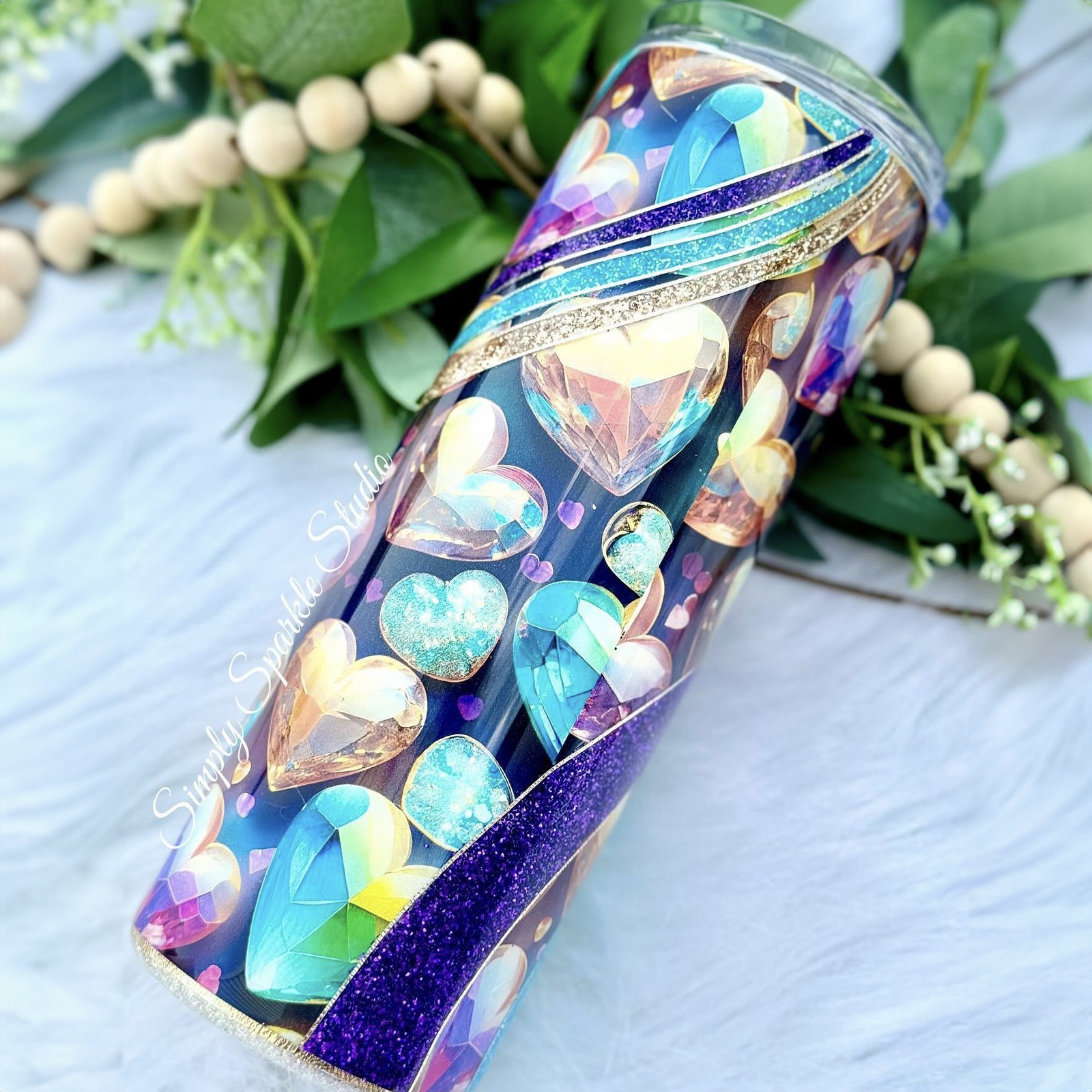
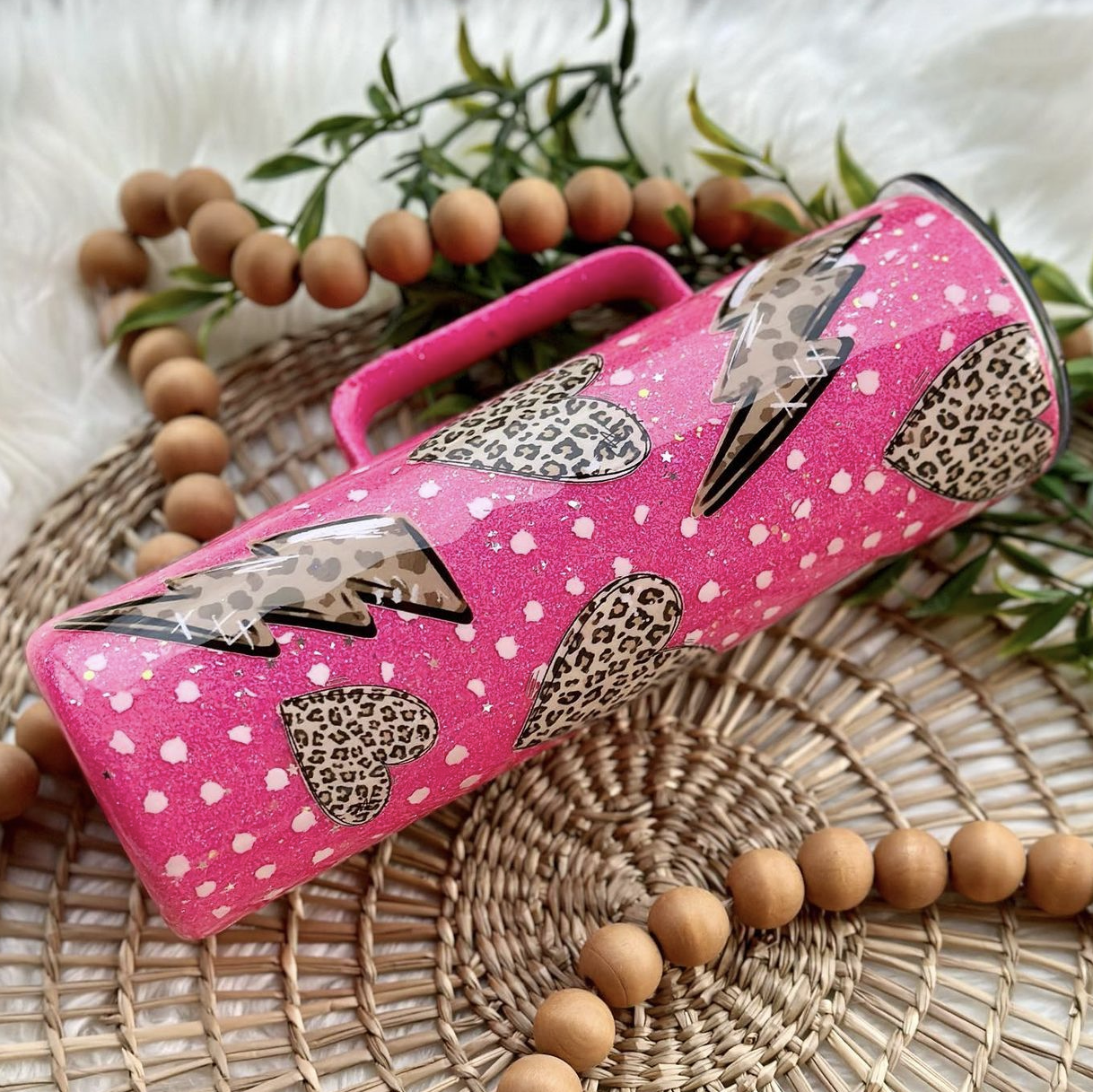
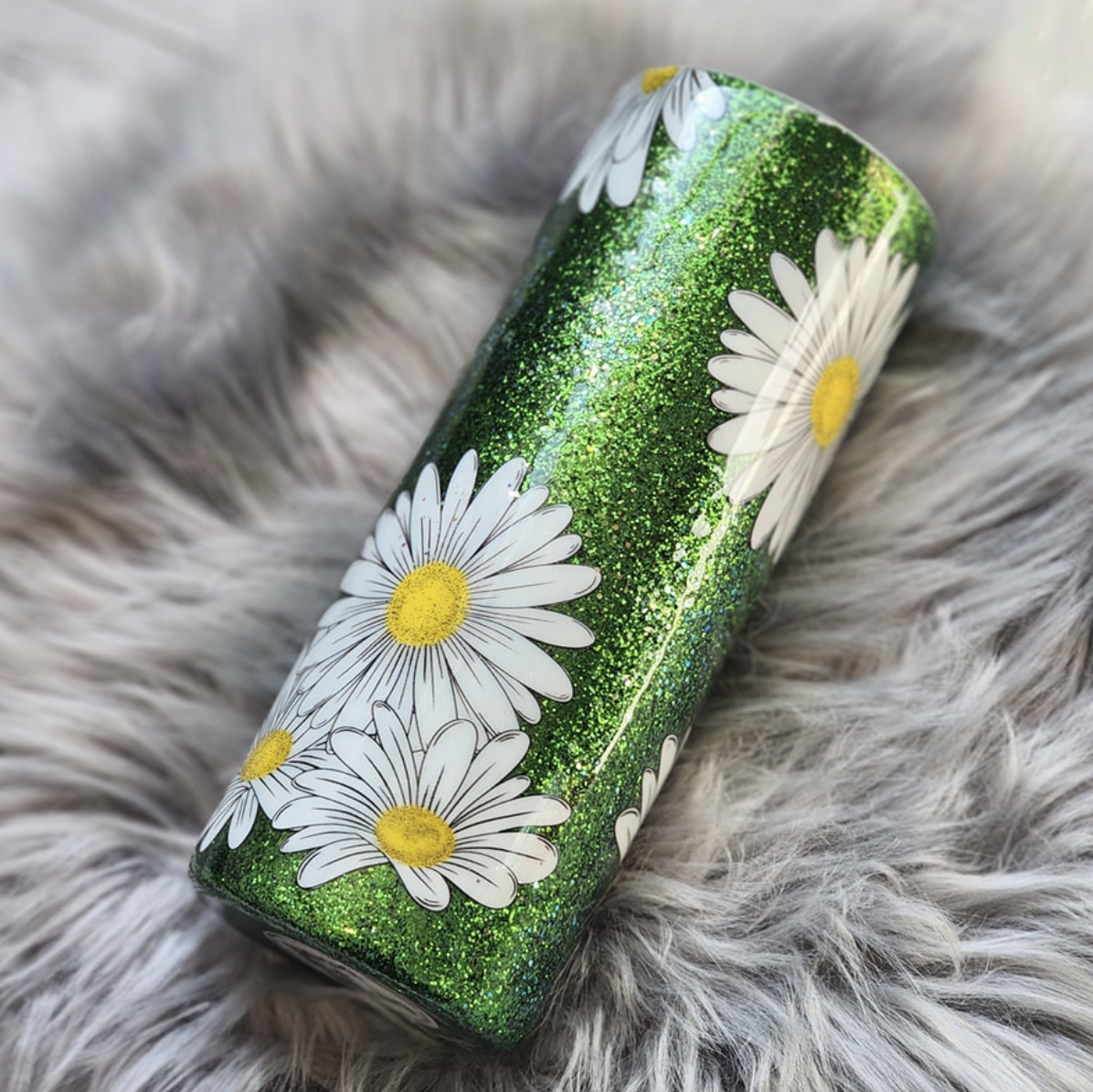
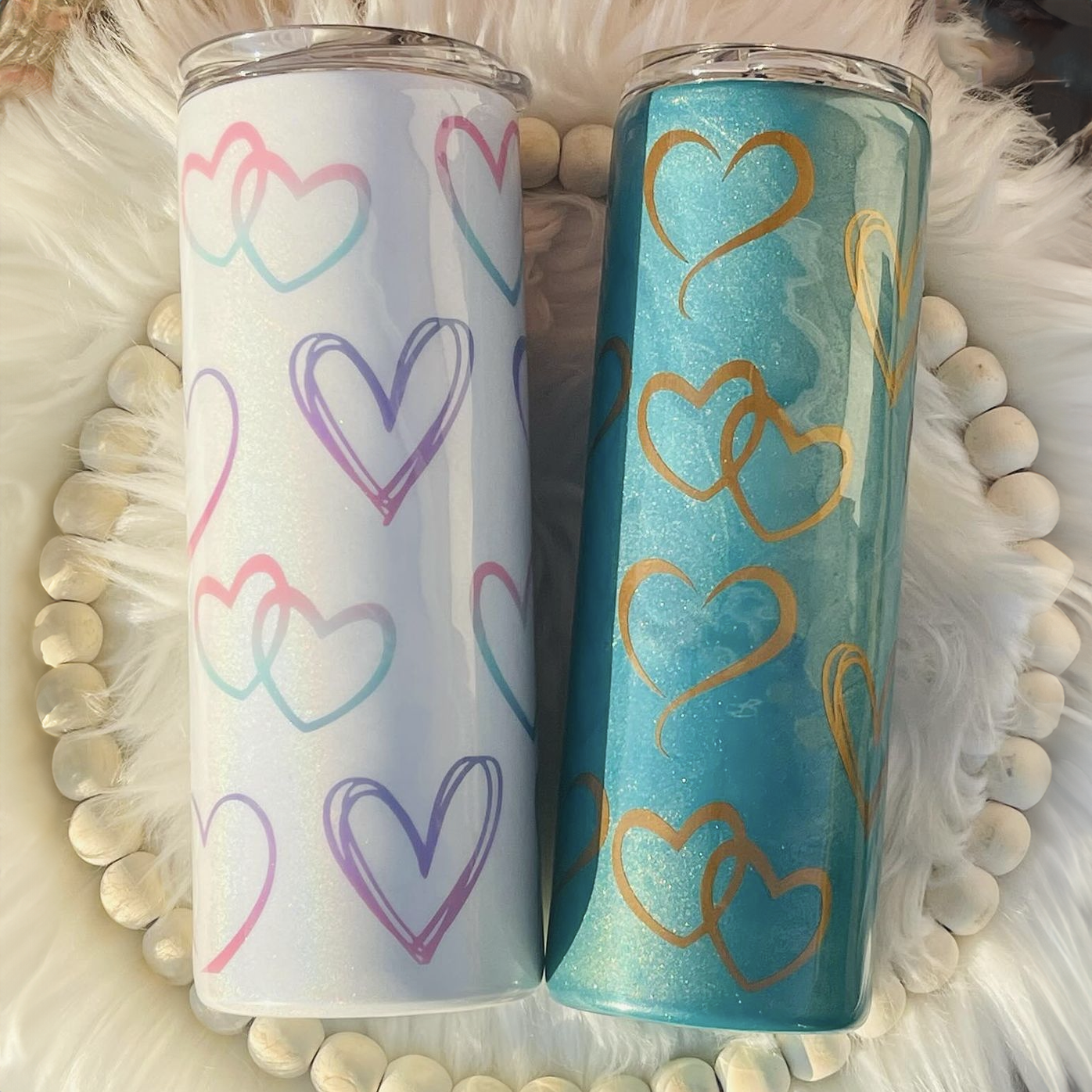
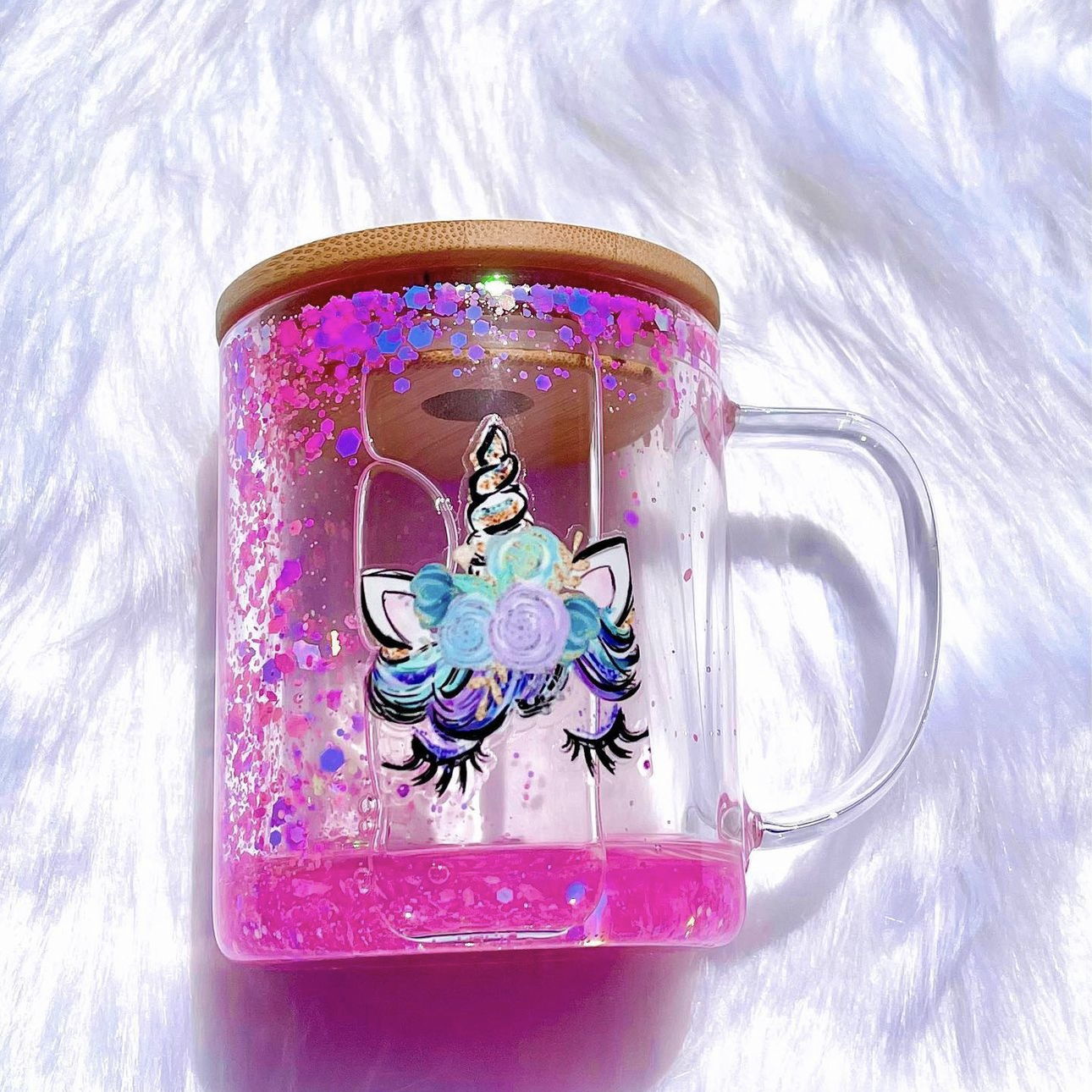
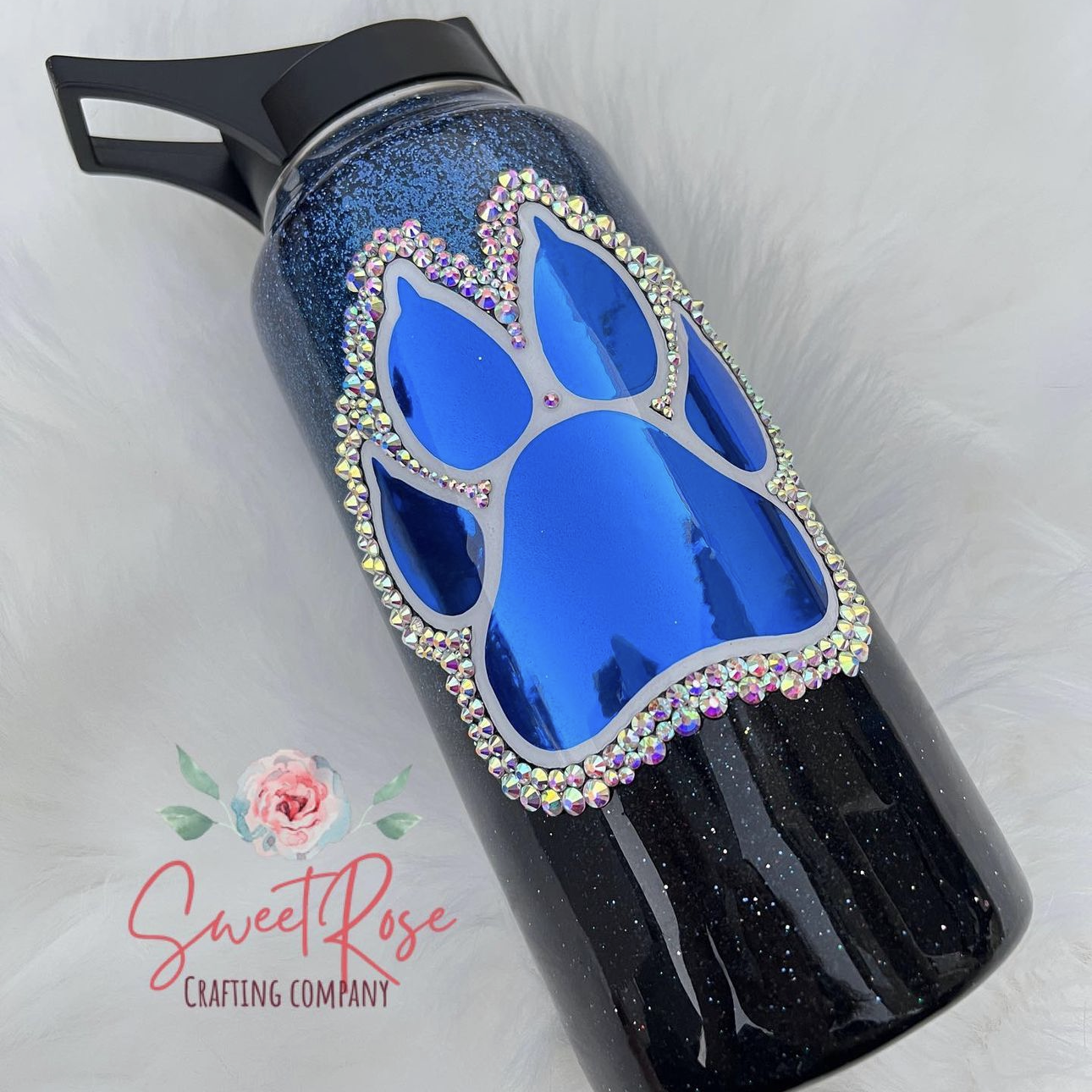
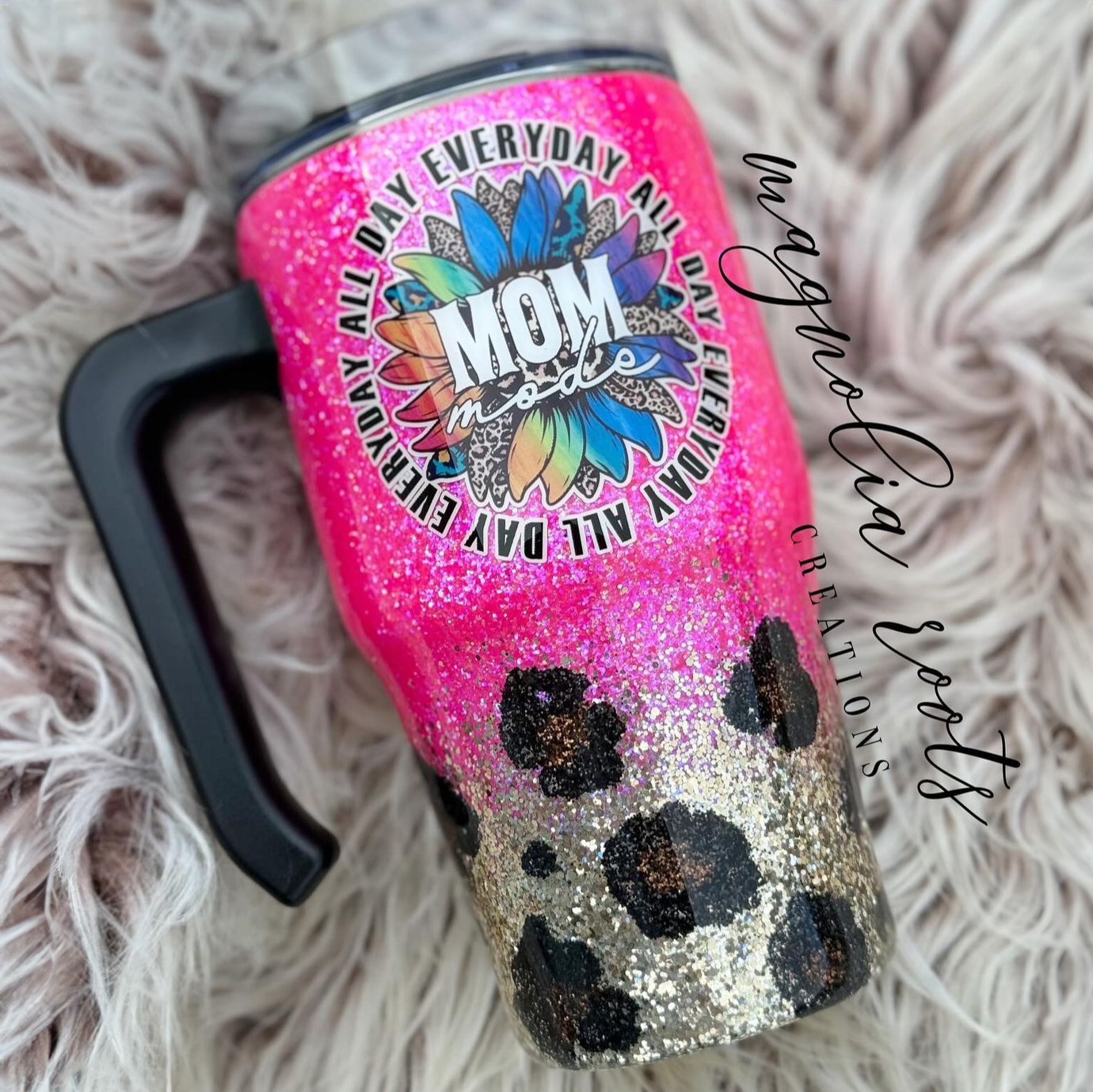
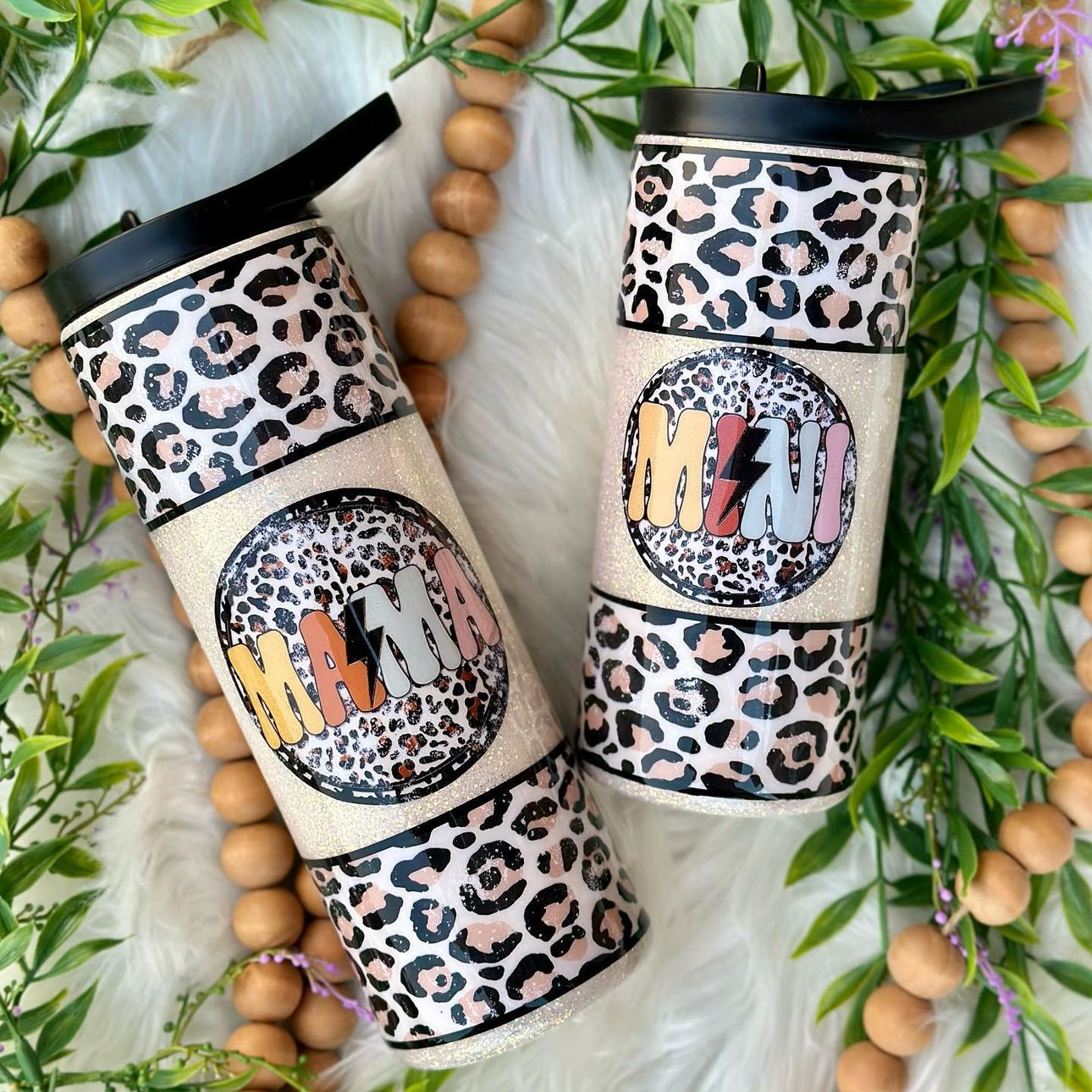
If you’re getting started learning how to do sublimation printing, you’ve probably come across the term sublimation paper. It might look like regular copy paper, but it is actually a special paper that plays a crucial role in the sublimation printing process. The quality of your sublimation paper can determine how sharp, colorful, and long-lasting your designs turn out.
Sublimation paper holds sublimation ink and releases it cleanly when heat and pressure are applied. This transfer process allows your printed image to turn into a gas and permanently bond with the surface of your sublimation blank. Whether you’re creating custom tumblers, mugs, or shirts, the right sublimation paper helps your colors stay bright and your details crisp. In contrast, plain copy paper is not suitable for sublimation transfers because it lacks the necessary coating to transfer sublimated designs.
As you get started crafting, it's essential to choose the best sublimation paper available for your substrates. High-quality sublimation paper ensures your designs transfer correctly, saving time, reducing waste, and helping your finished products look more professional.
In this guide, you’ll learn all about what you need to know about sublimation paper, how it works, and why it’s a must-have for sublimation crafting. You’ll also discover the different types of sublimation transfer paper available and which options are best for tumblers, mugs, shirts, and other custom products.
What Is Sublimation Paper?
Unlike regular copy paper, sublimation printing paper features a unique coating that holds sublimation ink in place until it’s ready to be transferred onto a blank surface. When you apply heat and pressure with a sublimation heat press machine or oven, the printed transfer ink turns into a gas and permanently bonds to the coated surface of the tumbler, mug, or shirt.
This process is what makes sublimation transfer paper so valuable for small businesses and crafters. The paper acts as the carrier that moves your image from the sublimation printer to your product. High-quality dye-sublimation paper ensures your images transfer clearly, allowing your custom product designs to stay vibrant for years.
In short, sublimation paper is foundational to the entire dye-sublimation printing process. When used correctly, sublimation paper works to produce vibrant, durable, and long-lasting prints on blanks.

How to Use Sublimation Paper
Learning how to use sublimation paper correctly can make a big difference in the quality of your finished products. Even the best sublimation paper won’t perform well if it’s not used the right way. These simple steps will help you get clean, vibrant transfers every time.
Start by loading your sublimation paper into a sublimation printer with the coated side facing the correct direction. Most brands mark the printable side, but you can also test by lightly scratching a corner, as the coated side will likely be notably smoother. Always print using sublimation ink, not regular inkjet ink. Printing with the wrong type of ink can ruin your project and even damage your sublimation printer.
Before printing, make sure to mirror your image in your design software. Mirroring ensures your design appears in the right direction once transferred.
After printing your image, allow the sublimation printing paper to dry completely. Rushing this step can cause the ink to smudge or blur during pressing. Some sublimation papers are fast drying, which helps speed up production and reduces the risk of smudging.
Next, position the printed sheet against your blank item and secure it with sublimation heat tape to prevent shifting. Place a sheet of butcher paper as a protective layer between the sublimation paper and your heat press to prevent ink bleed. Use the correct temperature and pressing time for your specific substrate, such as your sublimation tumbler or shirt.
Once the pressing is done, carefully remove the paper while it’s still warm. If the transfer looks faded, check your heat settings or try a higher-quality sublimation transfer paper. Issues like ghosting, uneven color, or paper curling usually point to incorrect pressure or poor-quality materials.
By following these steps and practicing with your preferred blanks, you’ll quickly learn how to print on sublimation paper effectively. Proper technique helps ensure the ink embeds evenly into your substrates.

Types of Sublimation Papers
Not all sublimation papers are the same. The right paper depends on your printer, your blank, and the level of detail in your design. Understanding the main types of sublimation papers helps you choose the best one for your projects and avoid costly mistakes.
Let's explore what you need to know when choosing the best paper for your projects.
What Is the Weight of Sublimation Paper?
One of the main distinctions among sublimation papers is weight.
Lightweight sublimation paper is thinner (usually under 100 grams per square meter) and dries quickly, making it great for fast production or smaller designs. It works best on polyester fabrics and soft materials that don’t require a lot of ink. This type of paper is especially effective on thin garments with light colors, ensuring optimal print vibrancy and clarity.
Medium-weight sublimation paper (typically around 100–115 GSM) strikes a balance between drying speed and ink capacity. It’s one of the most versatile options, suitable for shirts, textiles, and moderate-ink-coverage designs. Medium-weight paper lies flat during pressing, releases ink evenly, and performs well for both fabric and smaller hard-surface items.
Heavyweight sublimation paper (around 120–125 GSM or more) holds more ink, giving you brighter colors and sharper detail. It’s a great choice for full-color designs on hard surfaces, like tumblers, mugs, and metal blanks. The extra thickness also helps prevent curling and reduces backprint (unintentional marks) when you’re printing high-ink designs.
Fast-Dry vs. Sticky Sublimation Paper
Fast-dry sublimation paper is designed to absorb sublimation ink quickly and dry within seconds, which reduces smudging and color bleeding. It’s ideal for busy print shops or anyone producing high volumes of transfers where speed and consistency matter.
Sticky (also called tacky) sublimation paper has a light heat-activated adhesive that gently holds the paper in place during pressing. This keeps your design from shifting and helps prevent ghosting or blurry edges. It’s especially useful for t-shirts, jerseys, and other sublimation projects that use polyester fabric.
What Are the Sizes of Sublimation Paper?
Sublimation paper comes in a range of sizes, available as individual sheets or continuous rolls, so you can choose the best format for your specific projects.
Sheet sublimation paper is most common for small to medium designs and home or small business setups. Standard sizes include:
-
4x9 in for extra small items, including keychains, tags, and small coasters.
-
8.5×11 in (Letter size) for smaller items, such as mugs and standard-sized coasters.
-
11×17 in (Tabloid size) for medium-sized designs, like t-shirts, tote bags, and smaller tumblers.
- 13×19 in (Super B size) for larger transfers, such as hoodies, blankets, or multiple prints on one sheet.
Sublimation papers also frequently come in ISO A-series sizes. Common sizes include:
-
A4: 8.27×11.69 in
-
A3: 11.7×16.5 in
-
A3+ / SRA3: 12.6×17.7 in
- A2: 16.5×23.4 in
Aside from individual sheets, sublimation papers are often available in rolls, which is a great option for high-volume or commercial production. Rolls are primarily designed for wide-format printers and are intended for printing large continuous designs, such as those used for large banners and fabric panels. Roll widths typically range from 24 inches to 64 inches or more, depending on the printer and production scale.
Specialty Sublimation Paper Comparison
Specialty sublimation papers are made for specific sublimation products, and they can make the heat transfer process easier and more precise. Common specialized sublimation papers include:
-
Sublimation paper for mugs is sized and coated to wrap smoothly around curved surfaces, helping achieve even transfers without wrinkles or hot spots.
-
Sublimation paper for tumblers is made to withstand high heat and remain stable during pressing, ensuring consistent color transfer across the entire surface.
-
Sublimation paper for shirts is light or medium weight and dries quickly to prevent smudging on fabric. It’s specially made for polyester fabric, allowing ink to transfer evenly across flat shirts and apparel.
- High-release papers are used when you want maximum color vibrancy on a hard substrate, providing a stable, flat surface for high-quality images.
Each type of sublimation transfer paper plays an important role in achieving the best possible results for your project. Whether you’re customizing sublimation tumblers, mugs, or shirts, using high-quality sublimation paper ensures your colors stay bright and your finished products look flawless every time.
Now that you understand the basic differences between the types of sublimation papers, let's go into greater detail on selecting the ideal transfer paper for both tumblers and shirts.

What Is the Best Sublimation Paper for Tumblers?
Finding the best sublimation paper for tumblers can make all the difference in optimizing your custom drinkware. Specialty paper ensures all the colors are vivid and true to the original while preventing ghosting or fading.
When creating sublimation tumblers, the most important factor is even heat distribution. For that reason, you'll need to choose a heavyweight sublimation paper with a GSM of around 125. Heavier sublimation paper is ideal because it stays flat under pressure and absorbs enough ink to produce bold, vibrant colors without excessive bleeding.
You can also use sublimation transfer paper made specifically for polymer-coated tumblers, mugs, and other drinkware. These are formulated to wrap smoothly around curved surfaces, allowing even heat and pressure during the transfer process. They help minimize air pockets when paired with a tumbler heat press or sublimation oven.
Before purchasing sublimation paper, double-check to ensure it’s compatible with your sublimation printer and ink type. Using paper that's not designed for your setup can cause transfer issues, leading to wasted ink and materials. Always check that the paper clearly states it is universally compatible or specifically formulated for your sublimation printer and ink.
What Is the Best Sublimation Paper for Shirts?
Choosing the right sublimation paper for shirts is essential to producing bright, professional-quality results. The paper you choose must be able to transfer ink cleanly and evenly to polyester fabric. When the sublimation paper is optimized for apparel, you’ll achieve crisper details and sharper colors with minimal printing errors.
Lightweight to medium-weight papers generally work best on shirts because they dry quickly, lie flat under the heat press, and reduce the risk of smudging or ghosting. Look for sublimation paper labeled “apparel” or “textile” use, ideally in the 100–110 GSM range (or as recommended by your paper brand). These papers are formulated to release ink evenly, giving sharp print quality across t-shirts, jerseys, or hoodies.
Equally important are your shirts themselves: Sublimation only works reliably on polyester or high-polyester-blend fabrics (often 65%+ polyester or higher). Without enough polyester, the ink cannot bond properly, and colors may appear faded or wash out prematurely.
To get the best results, match your sublimation paper type with your ink, printer settings, and fabric specifications. You can also test a shirt to check edge sharpness, color vibrancy, and wash durability. With the right sublimation paper and materials, your apparel will look professional and consistent across batches.

Sublimation Paper FAQs
What Are the Best Brands of Sublimation Paper?
There are several reliable brands of sublimation paper for crafters and small businesses. Popular options include A-SUB, TexPrint, S-RACE, and HOGG. HOGG sublimation paper is known for consistent ink release, vibrant colors, and smooth transfers, making it a trusted choice for tumblers, mugs, and shirts. Choosing a reputable brand helps reduce failed transfers and produces professional-looking results.
What Is the Transfer Rate of Sublimation Paper?
The transfer rate is the amount of sublimation ink transferred from the paper to the blank during heat pressing. High-quality sublimation papers typically have a transfer rate of 95% to 99%, meaning most of the ink turns into a gas and bonds to the substrate. Paper with a lower transfer rate can leave faded spots or uneven colors on your final design, which is another reason why it's critical to choose premium sublimation paper.
Can a Regular Printer Print on Sublimation Paper?
No. Only printers that are compatible with sublimation ink can use sublimation paper. Using a regular inkjet printer or laser printer will not produce a proper transfer. Make sure your printer is designed or converted for sublimation before using sublimation paper. You can compare excellent sublimation printers with our guide "Best Sublimation Printer for Beginners."
Is Sublimation Paper Hot or Cold Peel?
Most sublimation paper is hot peel, meaning it should be removed immediately after pressing while still warm. This ensures full sublimation ink transfers and prevents smudging or ghosting. Some specialty papers allow cold peel, but hot peel is standard for tumblers, mugs, and shirts. That said, always follow the sublimation paper manufacturer's instructions to ensure the best results.
What Is the Difference Between Sublimation and Heat Transfer Paper?
Unlike sublimation paper, inkjet heat transfer paper uses regular ink or vinyl to apply an image that sits on the surface of the blank. You can use inkjet heat transfer paper on cotton and other fabrics that the sublimation process cannot handle, but the design will crack or peel over time. Sublimation paper, on the other hand, provides sharper, more durable results, as the sublimation ink bonds with the polymer-coated surface itself.
Is There Sublimation Paper for Dark Fabric?
Sublimation paper alone will not achieve bright results on dark-colored fabrics. The reason is that sublimation ink is translucent and requires a white or light background to appear vibrant. To get the best results when decorating darker garments, you’ll need specialty transfer media, such as heat transfer vinyl (HTV) for sublimation, sublimation patches, or white-coated sublimation sheets designed for dark materials. These extras allow sublimation designs to appear clearly on dark fabrics.
Get Started with High-Quality Sublimation Paper Today
Choosing the right sublimation paper is essential for producing bright, professional designs on tumblers, mugs, shirts, and other sublimation blanks. High-quality paper ensures your sublimation ink transfers evenly, your colors stay vibrant, and your products look polished.
The type of sublimation paper you should choose largely depends on what size you need and the optimal grams per square meter. Light-to-medium weight paper (90-115 GSM) works best for sublimation shirts, while heavier paper (120-125 GSM) performs well on sublimation tumblers, mugs, and other hard substrates. Using the correct sublimation transfer paper reduces waste, prevents smudging, and helps you achieve professional and consistent results.
If you're ready to create breathtaking sublimation crafts, consider exploring The Stainless Depot Company's website. We feature both A4 100 GSM sublimation paper as well as 125 GSM sublimation paper in various sizes, so you can find the perfect option to get started.
Our website also offers sublimation heat press machines, sublimation printers, blanks, supplies, and so much more to assist you on your crafting journey. We even feature complete sublimation tutorials on our blog, including how to sublimate a tumbler and how to make sublimation designs.
With The Stainless Depot Company, you can get everything you need to achieve professional results with the sublimation process, empowering you to craft breathtaking tumblers, mugs, shirts, and more.